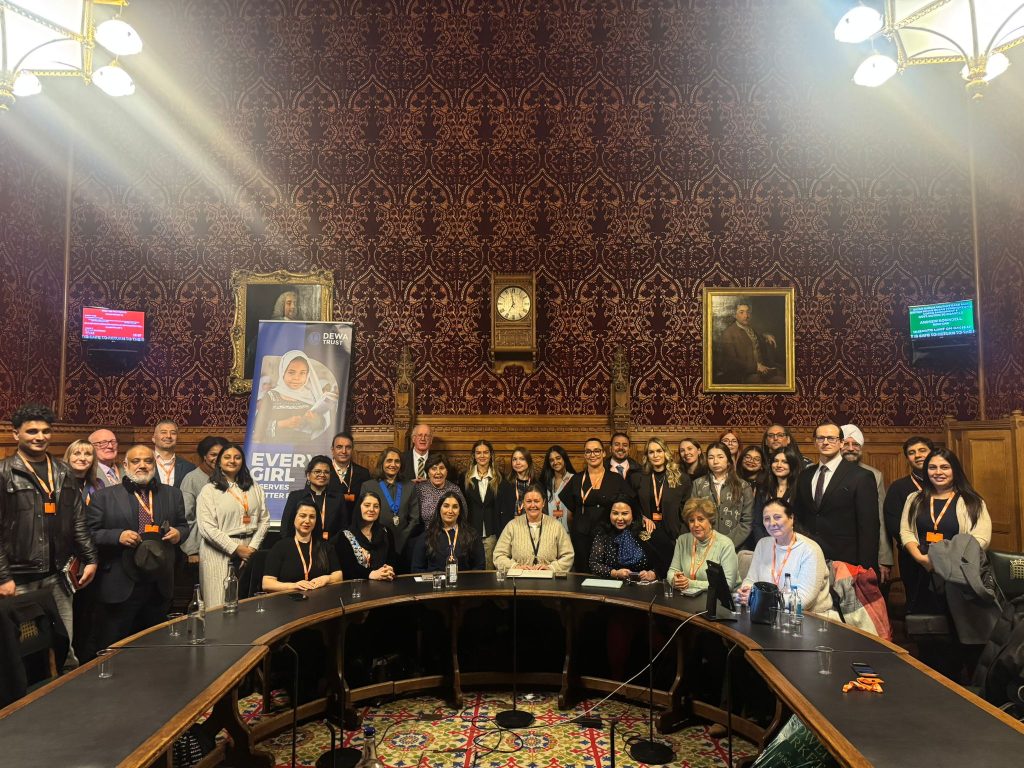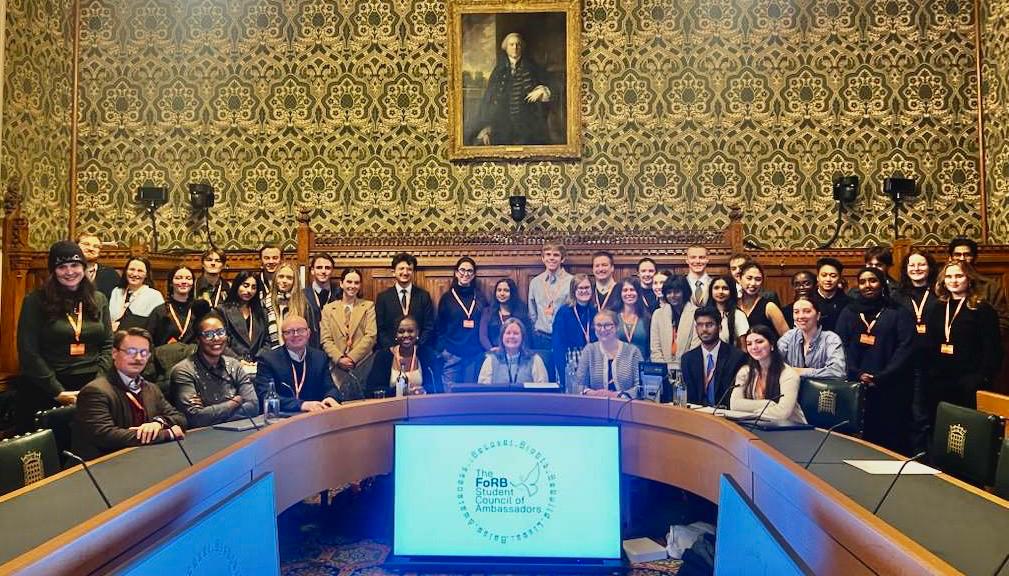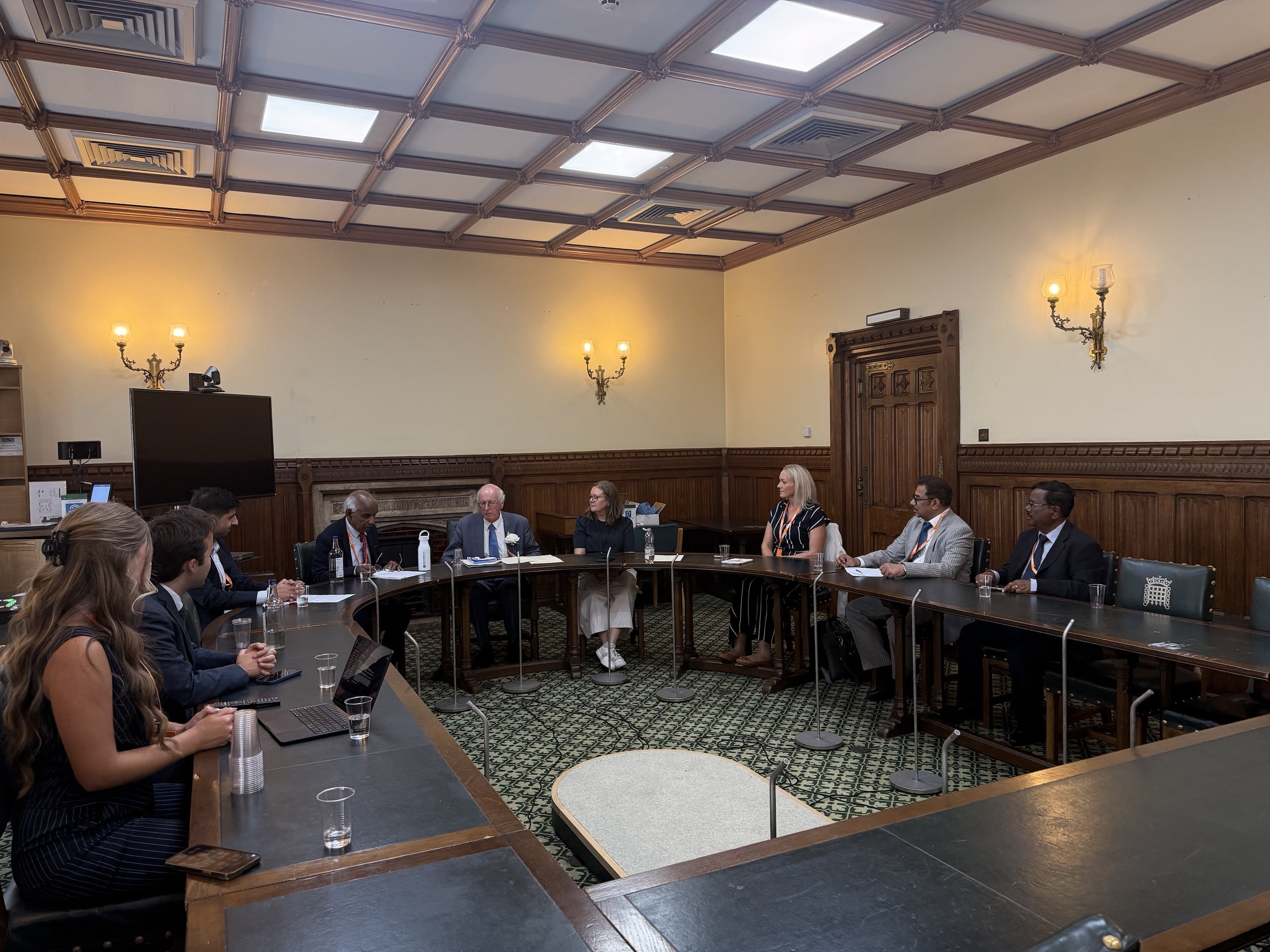
The APPG for Freedom of Religion or Belief hosted a panel about FoRB violations in Pakistan on 17 June 2026 in the Palace of Westminster.
The event was chaired by Jim Shannon MP, with speakers coming from organisations including the APPG for Pakistani Minorities, Open Doors UK, the Ahmadiyya Muslim Association, and the Human Rights Committee.
Roughly 96% of Pakistan’s population is Muslim, with religious minorities including Christians, Hindus, Ahmadiyya Muslims, and others facing severe persecution and discrimination.
Azhar Chaudhry from the Ahmadiyya Muslim Association said Ahmadiyya Muslims are among the country’s most severely persecuted minorities. He said they are denied equal voting rights, face barriers to education, and are frequently subjected to attacks and violence.
Nasim Malik from the Human Rights Committee spoke on the ongoing persecution faced by the Ahmadiyya Muslim community in Pakistan, reflecting on the recent attack in Rabwah on 5 June 2026, in which three Ahmadi security volunteers were shot outside the Baitul Aqsa Mosque. He highlighted the wider pattern of discrimination affecting Ahmadis, including restrictions on religious worship, attacks on mosques and cemeteries, arrests, and hate campaigns, while stressing the importance of accountability and equal rights under international law and Pakistan’s Constitution.
Fiona Fearon from Open Doors UK spoke about FoRB violations against Christians in the country. She said the country is one of the hardest places in the world to be a Christian, with Christians making up less than 2% of the population.
Pakistan has blasphemy laws in place that are intended to protect what is considered sacred within the country, largely relating to Islam, but these laws are frequently misused to target Christians and other religious minorities. Fearon explained that the judicial system is often deeply biased against minority communities, leading many to face imprisonment, harassment, and abuse.
The situation facing Christian and Hindu women and girls is especially severe, with reports indicating that as many as 1,000 are abducted each year, forcibly converted to Islam, and married to Muslim men.
Fearon also shared several policy suggestions concerning the UK’s involvement in Pakistan, including strengthening protections for women and girls, supporting practical measures to improve safety, encouraging accountability where public officials fail to protect religious minorities, and ensuring children are not subjected to a discriminatory curriculum in schools.
Morris Johns from the APPG for Pakistani Minorities spoke on the importance of ensuring three things: marriages must be based on full consent, children cannot be married under any circumstances, and faith must never be based on compulsion.
He spoke about the religious pressures Christian girls face, explaining that they are often treated as inferior and as second-class citizens. Those forced into marriages with Muslim men are, in some cases, trafficked after being abandoned by their husbands.
“They have no power. Nobody is going to listen to them,” Johns said.
When these girls are taken from their families, the police often do not even register the case, leaving families in shock and without support. Though there are rare cases where girls return to their families, some are later tried in court for doing so.
The UK government sends millions of pounds in aid to Pakistan each year, and Johns suggested raising questions in Parliament about why more of this funding cannot go toward practical steps to help minority girls in the country build a better future.
The discussion served as a powerful reminder that safeguarding Freedom of Religion or Belief requires continued international attention, solidarity, and a commitment to challenging intolerance in all its forms.
The APPG for Freedom of Religion or Belief stands with the religious minorities of Pakistan and remains committed to supporting efforts to raise awareness of the persecution faced by Christians, Hindus, Ahmadiyya Muslims, and others, while ensuring these issues continue to be discussed in Parliament.